How Much Does Commercial Green Tea Powder Cost? A Guide to Bulk Pricing and Quality Tiers

How Much Does Commercial Green Tea Powder Cost?

A Guide to Bulk Pricing and Quality Tiers

When sourcing green tea powder for commercial use—whether for cafes, restaurants, or bakeries—price per kilogram can make a major difference in your profit margins. But with so many options available, how do you balance cost and quality? In this guide, we’ll break down typical price ranges, what those prices reflect in terms of quality, and how to choose the right product based on your business needs.

Typical Price Ranges (Per Kilogram)

The prices below reflect sweetened green tea powder, which blends matcha (powdered green tea) with sugar and is commonly used for drinks or desserts:

Price (Per 1kg)Description & Typical Use
Around ¥700–1,000 (~$5–7 USD)Low-cost. Used in school cafeterias, institutional kitchens. Strong sweetness, mild green tea flavor.
¥1,000–1,500 (~$7–11 USD)Standard grade. Popular in casual cafes and pubs. Balanced sweetness and matcha flavor.
¥1,500–2,500 (~$11–18 USD)Higher-end. Higher quality tea leaves and more matcha content. Brighter color, better aroma, smoother texture.
¥3,000+ (~$20+ USD)Premium. Custom OEM blends, gift products. Often additive-free or 100% pure matcha-based.

Note: These are rough ranges for sweetened varieties. Unsweetened or pure matcha powders are typically priced higher.

What Affects the Price?

Several key factors explain the wide price range:

1. Matcha Content

Sweetened green tea powder combines matcha and sugar, but higher matcha content equals higher cost. Lower-end products may contain only trace amounts of matcha, resulting in dull color and weak flavor.

2. Grade of Tea Leaves

Not all matcha is created equal. Premium leaves like first-harvest (Ichibancha) or Uji-grown tea offer brighter color and a smoother, less bitter taste—raising the product’s value.

3. Powder Fineness and Solubility

The finer the powder, the more easily it dissolves in water or milk without clumping. Creating ultra-fine, consistent powder requires advanced processing techniques, which increases manufacturing costs.

4. Type of Sweetener Used

Budget products often use cheap sweeteners like glucose or standard sugar. More natural options like beet sugar or unrefined cane sugar (e.g., Okinawan kokuto) cost more and appeal to health-conscious or upscale markets.

5. Packaging and Order Volume

Suppliers who require bulk orders (20kg or more) offer lower unit costs. Buying in small lots (like 1kg units) may raise the price per kilogram due to extra packaging and handling costs.

Choosing the Right Grade for Your Business

Depending on how you use the product, here’s a general guide to match quality with purpose:

  • Cafeterias or casual restaurants: If green tea drinks are priced affordably, a ¥1,000-range (~$7 USD) product offers solid cost performance.
  • Cafés or dessert shops: For drinks like lattes or parfaits, ¥1,500+ products (~$11+ USD) add noticeable richness and visual appeal.
  • OEM or premium branding: For gifts or high-end sales, go for high-matcha, premium-priced options with excellent aroma and color.

Conclusion

In commercial green tea powder, price and quality generally go hand in hand. Understanding what goes into the cost—matcha ratio, leaf quality, sweeteners, and packaging—helps you make an informed purchase. Don’t just go for the cheapest option. Instead, consider how the product fits into your menu pricing and customer experience. That balance is key to both profitability and customer satisfaction.

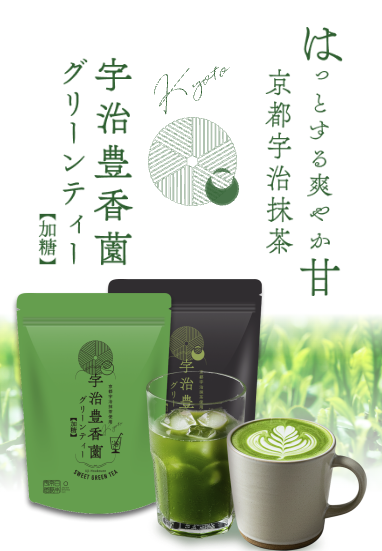
Uji Hokoen【Official Store】

Premium matcha green tea using
Uji tea leaves from Kyoto

🛒 Official Store
Tea Package

🚚 Free shipping in Japan No registration required!

🇯🇵 Japan only