What a Matcha Item Adds to a Menu
The argument extends beyond flavor.
It reaches non-coffee drinkers
Not everyone visiting a café drinks coffee.
People who dislike bitterness, families with children, anyone moderating caffeine. A matcha latte serves that segment — sweet, and approachable with milk.
Caffeine is present, though. Anyone requiring zero needs a different option: barley tea, herbal infusions.
Almost no equipment required
An espresso machine and milk steamer already cover it.
Powder and something to mix with is the whole requirement. A shaker, small whisk, or milk frother runs a few thousand yen. Low barrier translates into fast adoption.
Visual differentiation
Green drinks are scarce on a menu.
Distinct in the lineup, and photographs well — a factor that has mattered in food and beverage for a decade.
One purchase, many uses
The same powder supports:
- Iced and hot
- Lattes with dairy, soy, or oat
- Sparkling versions
- Sauce for shaved ice or soft serve
- An ingredient in baked goods
Wide application means stock turns over, which matters given a post-opening guideline of two weeks to a month.
It works year-round
Established as a cold drink, but hot lattes hold through winter.
Iced and shaved ice in summer, hot lattes in winter. Renaming seasonally is enough to keep it feeling current.
Price acceptance
Matcha is not cheap as a raw material, which makes a higher price point easier to justify.
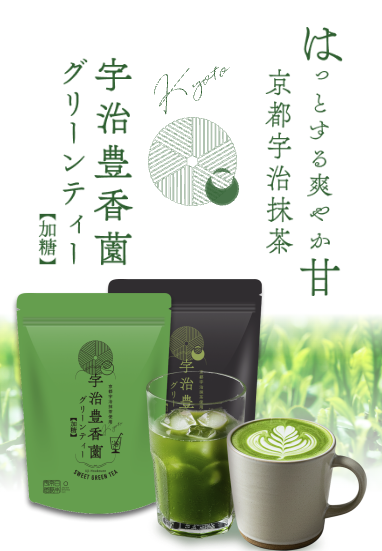
More so where origin can be stated. Uji and Kyoto function as brand marks internationally and read similarly at home.
The caveat
Cost is not powder alone — milk, packaging, and waste all count.
Before volume is known, start with a small package.