How to Choose the Right Green Tea Supplier for Your Business: Ingredients, Price, and Reliability

How to Choose the Right Green Tea Supplier for Your Business

Compare ingredients, pricing, packaging, and support to find the best match

If you're considering adding sweetened green tea powder to your café or restaurant menu, choosing the right supplier is critical. It affects everything from drink quality and customer satisfaction to your bottom line. While price is important, so are ingredients, service flexibility, packaging, and supplier reliability.

Here’s a comprehensive guide to evaluating wholesale suppliers of sweetened green tea.

1. Ingredient Quality and Flavor Consistency

Even for bulk use, maintaining consistent taste and quality is essential. Pay close attention to the following when checking ingredient labels:

  • Type of sweetener: Granulated sugar, fructose, or artificial sweeteners can drastically change flavor profiles.
  • Matcha content: The inclusion (and ratio) of matcha affects bitterness, aroma, and color.
  • Flavorings or coloring: Natural or synthetic additives may influence appeal and customer preferences.

We highly recommend sampling the product—preferably from multiple batches—to test consistency. Slight differences in sweetness levels can significantly impact customer perception, especially with green tea drinks.

2. Pricing and Quantity Terms

Don’t rely on price alone. Look at the bigger picture.

  • Check price per kilogram and price per serving (based on how many drinks you can make).
  • Make sure the minimum order quantity (MOQ) matches your usage needs.
  • Consider shipping fees, payment terms, and whether they accept post-payment or offer COD without extra fees.

A low price per kilo doesn’t guarantee value. For example, if the powder dissolves poorly and requires more per serving, your actual cost per cup may rise. Efficiency matters.

3. Packaging and Storage Suitability

Packaging affects freshness, storage convenience, and long-term quality.

  • Look for resealable bags or airtight tins to maintain freshness after opening.
  • Aluminum packaging helps block light and moisture.
  • Long shelf life reduces the risk of waste in slow-moving inventory.

Many restaurants take weeks to finish a bag after opening, so shelf-stable, well-sealed packaging is key.

4. Supplier Responsiveness and Flexibility

Supplier service matters more than you might think—especially in the food service industry.

  • Do they accept small orders?
  • What is their delivery lead time?
  • How do they handle out-of-stock issues?
  • Are they open to order adjustments or returns?

If you're developing new drinks, a supplier willing to adjust formulas or offer OEM support can become a long-term partner.

5. Trustworthiness and Business Compatibility

Finally, make sure the supplier is reliable and capable of meeting your operational needs.

  • Do they have experience with restaurants or hotel chains?
  • Are they compliant with food labeling laws and safety standards?
  • Can they provide invoices or formal contracts for B2B transactions?

Trustworthy suppliers are responsive, provide accurate documentation, and answer detailed questions—these qualities are just as important as price.


Summary: Green Tea Supplier Checklist

Use the following questions when evaluating potential partners:

  • Is the sweetness level and flavor consistent?
  • Is the price fair when calculated per cup?
  • Do MOQ and shipping/payment terms work for my business?
  • Is the packaging suitable for extended storage?
  • Do they offer flexible service and support?
  • Do they have proven track records and food safety compliance?

By evaluating suppliers from these angles, you’ll be better equipped to find a dependable, high-quality source of green tea for your business.

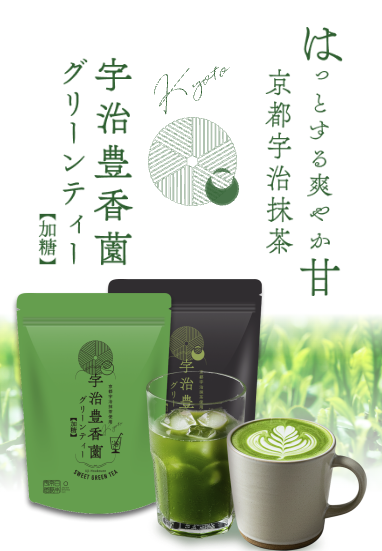
Uji Hokoen【Official Store】

Premium matcha green tea using
Uji tea leaves from Kyoto

🛒 Official Store
Tea Package

🚚 Free shipping in Japan No registration required!

🇯🇵 Japan only