Can You Adjust the Sweetness of Commercial Green Tea Powder?
Learn how to control flavor and choose between sweetened and unsweetened types
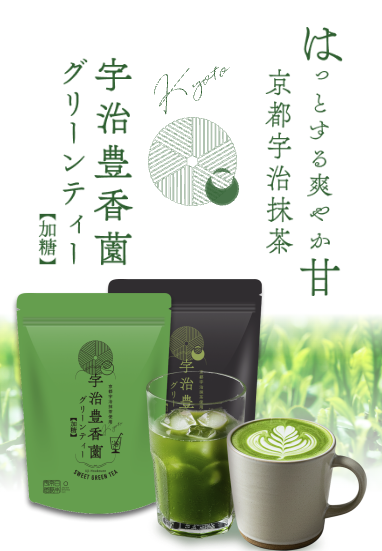
Sweetened green tea powder is commonly used in cafés, restaurants, and other foodservice operations. While its sweetness makes it easy to serve as-is, many business owners wonder: Can the sweetness be adjusted to better suit different customers or menu ideas? The answer is yes—with the right techniques. This article explores how to fine-tune the sweetness of sweetened green tea powder and how it compares to unsweetened alternatives.
Adjusting Sweetness Through Concentration
Most commercial green tea powders are concentrated mixes that are dissolved in water or milk before serving. You can easily adjust sweetness levels by changing the concentration.
Here are some simple methods:
- Increase the water: Keep the powder amount the same but use more water to make the drink lighter and less sweet.
- Use less powder: Reduce the amount of powder per serving to tone down both the sweetness and flavor.
- Add extra ice: When served cold, more ice helps dilute the drink naturally as it melts, softening the sweetness.
These small tweaks give businesses flexibility—a key advantage of powder-type drinks. In fact, many cafés subtly change the concentration based on the season or customer preferences.
Sweetened vs. Unsweetened Green Tea Powder
Unsweetened green tea powders are also available for commercial use, but their role is different. They resemble powdered green tea or culinary-grade matcha rather than the ready-to-drink green tea mixes. Here's a quick comparison:
| Feature | Sweetened Green Tea Powder | Unsweetened (Powdered Tea) |
|---|---|---|
| Flavor Profile | Sweet and mellow | Bitter and earthy |
| Main Uses | Beverages, desserts, mixers | Cooking, baking, unsweetened tea |
| Sweetness Control | Can adjust by water/ice | Must add sugar separately |
| Target Audience | Kids to adults | Health-conscious or low-sugar consumers |
Sweetened powders are popular for their convenience and balanced flavor—great for quick-service beverages. On the other hand, unsweetened options appeal to those looking for full-bodied green tea without added sugar, or for use in recipes.
Extra Tips: Flavor Adjustments and Creative Blends
If you want more control over taste or wish to create original drinks, consider blending or adding complementary ingredients.
- Mix with milk for a creamier, softer sweetness (e.g., green tea latte).
- Add citrus juice (like lemon) to give a refreshing tang and reduce perceived sweetness.
- Combine with frozen fruit or jelly to distribute the sweetness and add visual appeal.
These customizations allow you to retain the benefits of sweetened green tea while reducing the sugar-heavy impression for customers.
Conclusion
Sweetened green tea powder may seem fixed in flavor, but it's more flexible than it looks. Through small adjustments in concentration or creative additions, you can tailor it to match your brand and target market. By understanding the difference between sweetened and unsweetened products, you'll be better equipped to create satisfying, on-trend drinks that stand out on your menu.