Putting Matcha on a Café Menu
Matcha drinks have become standard. Several things make them easy to adopt.
No new equipment
An espresso machine and milk steamer cover it.
A shaker, small whisk, or milk frother handles the rest, all under a few thousand yen.
It reaches customers coffee does not
Not everyone visiting a café drinks coffee.
People who dislike bitterness, families with children, anyone moderating caffeine. A matcha latte serves that group.
Caffeine is present though — matcha is ground leaf, so the amount tracks the powder. Customers requiring zero need a different option.
Visual distinction
Green drinks are scarce, so it stands apart on a menu and in photographs.
One purchase, several items
Iced, hot, latte, sparkling, sauce for shaved ice or soft serve, an ingredient in baked goods.
Breadth keeps stock moving. Powder carries a post-opening guideline of two weeks to a month, so turnover is itself a quality measure.
The operational catch
Powder added straight to milk separates. A hot-water paste step is required first.
To hold flavour steady during service, specify the numbers: powder weight, water volume, paste time, pour order.
Cost is the total
Not powder alone — milk, cups, straws, waste.
Twenty grams gives 50 servings per kilogram, but measuring variance and remakes mean estimating about ten percent below the calculation lands closer.
Sweetness
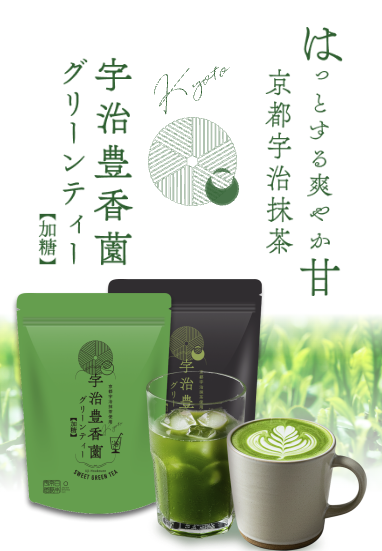
Pre-sweetened products fix the sugar ratio. Dilution is the only lever.
Controlling sweetness in-house means buying unsweetened matcha and adding syrup separately.