Regional Green Tea Collaborations: Sweet Souvenirs from Japan’s Tourist Destinations
Introduction: Turning Local Tea into Memorable Experiences
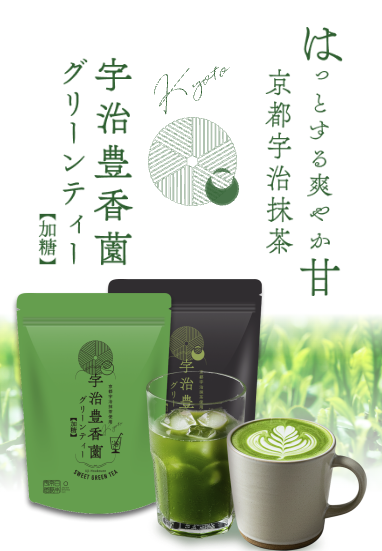
Sweetened green tea—distinct from matcha with its gentle, sugary flavor—has become a popular way to showcase local culture at tourist destinations across Japan. By incorporating locally grown tea leaves and regional specialties into creative packaging and unique product designs, these green tea items offer travelers a tangible, flavorful memory to take home. Let’s explore how these collaborations are helping to tell regional stories, one cup at a time.
1. Sweetened Green Tea Made from Local Tea Leaves
In tea-producing regions like Uji (Kyoto), Shizuoka, Yame (Fukuoka), and Ureshino (Saga), it’s increasingly common to see sweetened green tea made from local tea leaves:
- These products often feature location-specific branding on the packaging.
- They’re available as bottled drinks for takeaway, as well as in powdered form for souvenirs.
- The approachable sweetness makes them appealing across generations, from children to elderly tourists.
By transforming premium tea leaves—typically reserved for ceremonial or high-end use—into a casual, drinkable souvenir, producers can engage a broader audience.
2. Local Flavors Meet Green Tea Creativity
Beyond traditional green tea, many regions are developing unique, location-specific flavors by blending sweetened green tea with local ingredients:
- Yuzu (Japanese citrus), ume (plum), and kokutō (brown sugar) are popular regional pairings.
- Products include green tea soft serve, shakes, jellies, and other grab-and-go sweets.
- Some regions even collaborate with local sake breweries to create green tea liqueurs or cocktail mixers.
These inventive blends connect consumers with the region’s natural flavors, enhancing both the taste and storytelling value of the product.
3. Sold Where Travelers Shop: Stations, Airports, and Roadside Stops
You’ll find regional green tea products in places where tourists naturally pass through:
- Train station kiosks, service area gift shops, airport souvenir stands, and "Michi-no-Eki" (roadside rest stations).
- They’re often promoted as "only available here", leveraging exclusivity to drive sales.
- Many are designed for on-the-go consumption, offering a sweet drink that pairs well with local bento boxes.
These products often benefit from social media buzz, as their local branding and photogenic packaging make them ideal for sharing online.
4. Enhancing the Tourist Experience Through Interaction
Some destinations go beyond just selling green tea and integrate it into interactive tourism experiences:
- After tea-picking tours or tea factory visits, guests may be offered a cold green tea drink to refresh and conclude the activity.
- Visitors can try making their own sweetened green tea drinks using powdered mix, adding a fun, hands-on element.
- For international travelers, these drinks offer an approachable alternative to matcha, helping them discover “Japanese green tea” in a new, sweeter form.
These offerings help create lasting memories while promoting the hospitality of the region.
Conclusion: A Sweet Introduction to Local Culture
Sweetened green tea collaborations serve as a kind of “edible business card” for Japan’s regional destinations. By incorporating local tea leaves, flavors, and storytelling into exclusive packaging, these products offer more than just refreshment—they deliver a sensory experience tied to place. Whether sold as a drink, a dessert, or part of an interactive tour, these items are helping drive tourism and strengthening the emotional connection between travelers and the places they visit.