Matcha Drinks in Restaurants and Bars
Cafés are not the only venues that serve matcha.
After the meal
A sweet drink following strong flavours works as a closing item.
It reaches customers who do not order dessert, and a matcha latte serves anyone who does not drink coffee.
During the meal is harder
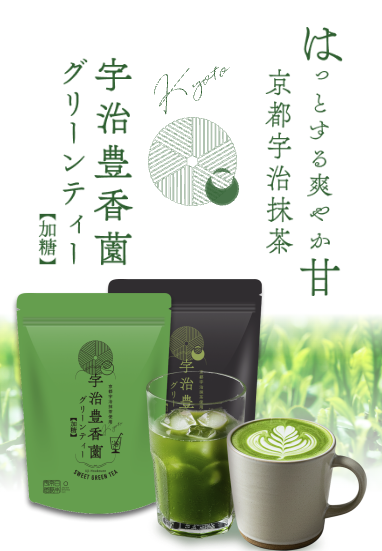
Sweetened matcha contains sugar — about 60 kcal for a 20 g serving with 15 g of sugar.
Sweetness competes with food. Unsweetened teas suit the table better.
Hojicha and genmaicha bring roasted character that does not intrude. Barley tea contains no caffeine, since it is not made from the tea plant.
Dilution as a compromise
Around 10 g per 150 ml softens the sweetness considerably.
At that strength the matcha character has largely gone too, which makes it a weak version of both.
With spirits
Shochu and whisky both work — matcha rounds off the spirit's edge.
- Shochu 45 ml, powder 15–20 g, water or soda 120 ml
Always paste the powder with hot water before adding alcohol. Alcohol wets powder poorly.
Barley shochu contributes toasted notes. Rice shochu is cleaner and lets the matcha lead.
As part of dessert
Shaved ice, parfaits, anmitsu. Adding to existing items requires no new prep.
Concentrated sweetened matcha works directly as syrup — two to three times drinking strength, around 20 g per 50 ml, no added sugar.
One product, several uses
Drinks, desserts, cocktails. Breadth keeps stock turning.
Post-opening guideline is two weeks to a month, so turnover is a quality measure.
Standardise
Across several menu items, each needs its amounts and steps specified numerically, or results vary by who makes them.