What You Are Paying For
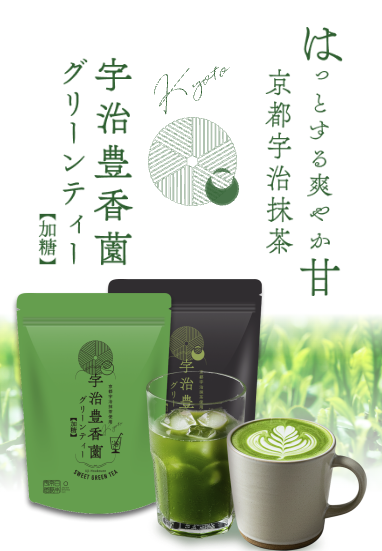
Packaging costs pass through to price. Separating the components helps.
Cost components
Raw material Matcha quality and ratio. Shaded cultivation, first flush, sorting precision, stone versus machine milling. This is the primary driver.
Packaging Material, printing, boxes, individual wrapping.
Efficiency by size Smaller packages carry proportionally more packaging cost.
Same price, different contents
A product that invested in packaging and one that invested in raw material can sit at the same price with very different contents.
For a gift, packaging has a function. For yourself, weighting raw material returns more.
Which is correct depends on the use.
Individual portions
Stick packets carry more packaging material, so the same weight costs more.
In exchange, post-opening deterioration does not occur. For someone who takes a long time to finish a package, that reduces waste.
What premium matcha reflects
Higher prices correspond to process.
Shaded cultivation covers the field for weeks with light managed to harvest. Stone mills turn slowly to avoid friction heat, managing roughly 40 g per hour.
NARO research reports higher theanine content in higher-priced matcha — cultivation conditions showing up in the analysis.
Appearance proves nothing
Packaging can be made to look premium regardless of contents. The reverse also happens.
What to check
Ingredient order — by weight, so matcha versus sugar is visible Ingredient count — fewer is easier to account for Origin — additional information where stated Cost per serving — more comparable than cost per gram
At 20 g per serving, 300 g is 15 cups. Dividing price by servings puts products on the same footing.