Are Matcha and Japanese Green Tea the Same Thing?
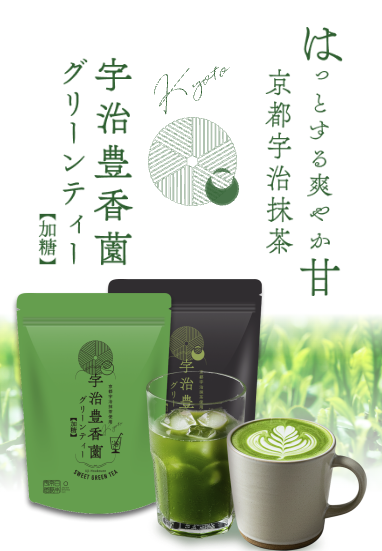
No. Most powders sold in Japan under the name green tea are matcha or powdered green tea with sugar added.
What matcha is
Ground tencha — a leaf grown under shade — milled on a stone mill. No sugar. Used in tea ceremony, cooking, and confectionery.
The flavor leads with bitterness and astringency, backed by umami. People new to it often describe it as intense.
What "green tea" means in Japan
In Japanese retail, the katakana term guriin tii usually refers to a sweetened powder that dissolves into a ready-made drink. Add water, and it is finished.
The confusion is that English uses "green tea" as a general category covering all unfermented tea — sencha, gyokuro, bancha, everything. Nothing to do with sweetness.
Same phrase, different referents.
How to tell them apart
Read the ingredient list.
- "Matcha" alone → matcha
- "Matcha, sugar" or "sugar, matcha" → sweetened product
Lists are ordered by weight, so the sequence also tells you which dominates.
Where the mildness comes from
Sugar suppresses the perception of astringency, so sweetened versions go down easily. But that is not the whole explanation.
Tencha, the leaf behind matcha, is grown under cover. L-theanine — the savory amino acid — converts into astringent catechins when leaves get sunlight, so shading preserves the umami.
Matcha is already built to be less astringent. Sugar takes it further.
Choosing between them
Plain matcha if you want to control sweetness yourself. Sweetened if you want convenience.
The ratio in a sweetened product is fixed at manufacture. You can dilute it. You cannot remove the sugar.