Making It at Home Versus Buying It Out
The comparison, laid out.
Per-serving cost
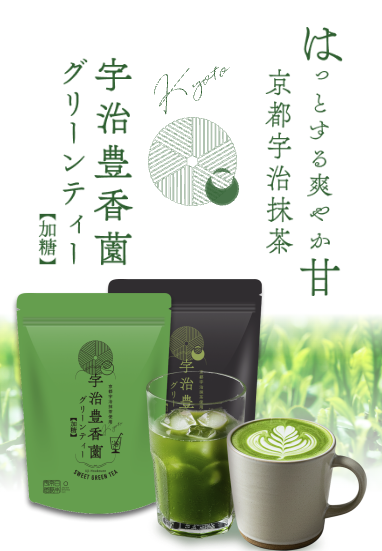
Standard is 20 g per 150 ml, so 300 g gives 15 servings.
- 300 g at ¥1,500 → ¥100 per serving
- 300 g at ¥2,600 → about ¥173
For a latte, 18 g per 150 ml milk. At ¥200 per litre, 150 ml of milk adds roughly ¥30.
Against a café
Matcha lattes run several hundred yen.
At home, powder plus milk lands in the ¥100–200 range. Daily drinking makes that difference add up.
But it is not the same product
Cafés have equipment and fixed procedures. A milk steamer, consistent preparation, and the setting itself.
Some of that is reproducible at home; not all. The price difference reflects that too.
Initial equipment
Optional, though it changes the result.
- Small whisk: a few hundred yen
- Milk frother: from around a thousand
- Measuring spoon: a few hundred
One-time purchases that last. Recoverable within a few servings' worth of savings.
Strength becomes yours
The main advantage.
Too sweet? Less powder. Want more matcha? More. Cafés do not offer that.
At 15 g per serving, 300 g gives 20 cups and the unit cost falls. Strength adjusts flavour and price simultaneously.
Ways to get it wrong
Adding liquid to powder all at once produces lumps. Without knowing the hot-water paste step, the texture suffers.
Powder into milk separates. Also a sequencing issue.
It depends on finishing the package
Post-opening guideline: two weeks to a month.
Cheap per serving means little if you drink it infrequently and end up consuming declining quality. The arithmetic assumes you finish what you buy.
Both, in sequence
Try it out, find what you like, reproduce it at home. That order wastes least.