Why Some Powders Stay Free-Flowing
Caking is almost always a moisture problem.
Water on particle surfaces forms bridges between them. As it dries, those bridges harden into clumps.
Keeping moisture out
Filling dry Packaging happens in humidity-controlled conditions. Excess moisture at this stage cannot be corrected later.
Barrier packaging Aluminum-laminated pouches and tins resist moisture transmission. Some products include oxygen absorbers or nitrogen flushing.
Dextrin Produced by breaking down starch, it keeps powder free-flowing and prevents caking. A food ingredient rather than an additive, though it counts as carbohydrate.
Granulation Forming powder into small granules reduces surface area and lowers moisture sensitivity. Dispersion improves as a side benefit.
After opening, it is your problem
Packaging protects until the seal breaks.
Three things to avoid:
- A wet spoon in the package. Once moisture is introduced, caking spreads from that point.
- Opening a refrigerated container immediately. Room air condenses on cold interior surfaces. Let the sealed container reach room temperature first.
- Humid storage. Under the sink, near a rice cooker, anywhere steam collects.
If it has caked
Moisture is present. Breaking up light clumps with a dry spoon works, and passing it through a strainer evens the texture — but flavor has already suffered, so use it soon.
Stop if the smell has changed or the color has visibly shifted.
The other side of very free-flowing
Products with flow agents handle easily but carry more ingredients.
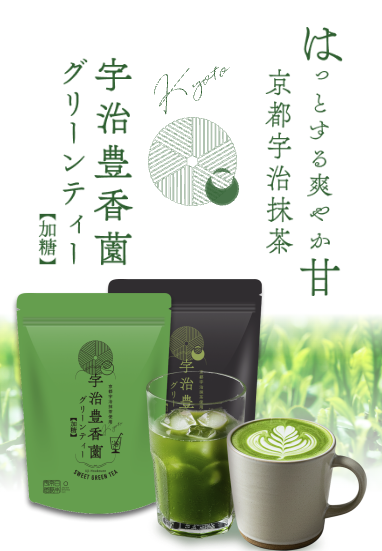
Matcha-and-sugar-only formulations cake more readily. Working the powder into a paste with a small amount of liquid before adding the rest resolves the practical difficulty almost entirely.