Carrying Matcha Powder With You
Light, shelf-stable, no refrigeration. Good travel characteristics, with two things to watch.
Portion it out
Carrying a large bag is impractical. Transfer what you need into a small container.
A pill case, a small zip bag, a film canister. Dry container, dry spoon.
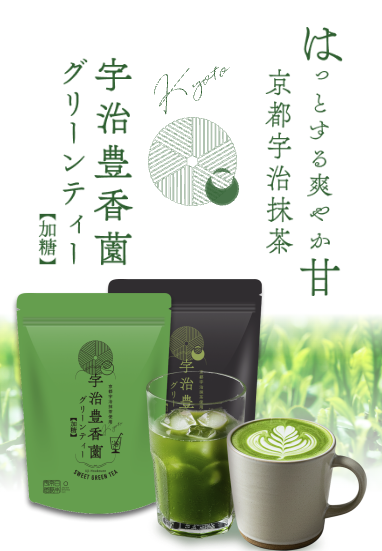
Stick packets
Individually sealed portions travel as-is, with no exposure to moisture.
Strength is fixed, but for travel or an office that is rarely a problem.
Heat in a bag
Bags get hotter than people expect in summer.
Avoid extended carrying, and if you use a cold pack, keep a barrier between it and the powder so condensation does not reach it.
Making it in a bottle
Powder and water, shaken. Particles settle, so shake again before drinking.
Because it contains sugar, avoid carrying it at room temperature for long. Use an insulated bottle, or add frozen matcha cubes as ice that does not dilute.
Clean it promptly
Sugar residue causes odor and staining.
Matcha's pigment transfers to plastic. Soaking with an oxygen-based cleaner lifts it.
Gasket grooves collect residue — remove them if the design allows.
International travel
Powders sometimes prompt questions at security. Carrying it in its original packaging rather than an unlabeled bag makes explanation easier.
Food import rules vary by country, so check before you go.
As a gift to bring back
Light, unbreakable, and matcha is recognized internationally.
Without preparation instructions it often goes unused. Adding the ratios — 20 g per 150 ml water, 18 g per 150 ml milk — makes a real difference.