How Green Tea, Genmaicha, and Hojicha Differ: Taste, Aroma, and Best Use Cases
In Japan, tea is more than just a beverage—it’s a daily ritual. Among the many varieties, green tea (sweetened powder), genmaicha, and hojicha are household staples, each with unique characteristics. While they may all be called “green tea” in English, their ingredients, preparation methods, and drinking occasions vary significantly. Let’s break down the key differences.
1. Ingredients and How They’re Made
| Type | Main Ingredients | Preparation Method |
|---|---|---|
| Green Tea (Sweetened) | Powdered green tea + sugar/sweeteners | Blended and processed as a flavored drink powder |
| Genmaicha | Sencha (green tea) + roasted brown rice | Mixed with toasted brown rice after drying |
| Hojicha | Roasted green tea leaves or stems | Strongly roasted to bring out a nutty aroma |
Sweetened green tea is a flavored beverage powder, closer to a dessert drink than traditional tea. Genmaicha and hojicha, on the other hand, are variations of green tea, made by modifying how the tea leaves are handled and roasted.
2. Color and Aroma
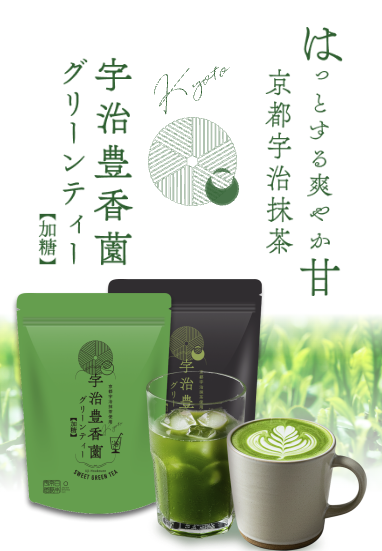
- Green Tea (Sweetened): Bright green color, with a sweet, matcha-like aroma. May contain added flavoring.
- Genmaicha: Pale green to light brown hue, featuring a toasty aroma from roasted rice. Naturally lower in caffeine.
- Hojicha: Reddish-brown color with a strong, roasted aroma, often considered calming and grounding.
These sensory traits come from how the leaves are processed. Genmaicha and hojicha are especially appealing to those who find typical green tea too bitter.
3. Flavor Profile and How They're Enjoyed
- Green Tea (Sweetened): Sweet and smooth, typically enjoyed cold. Popular as a refreshing drink and often mixed with milk or soda.
- Genmaicha: Light and toasty, best enjoyed warm alongside meals—a staple food-pairing tea.
- Hojicha: Mild and earthy, with very little bitterness. Excellent before bed, and works both hot and cold.
Sweetened green tea is better suited for snacking or dessert time, while genmaicha and hojicha are ideal for meal pairing or relaxing moments.
4. Health and Nutrition Differences
- Green Tea (Sweetened): Contains green tea antioxidants like catechins and theanine, but added sugars mean moderation is key.
- Genmaicha: Lower in caffeine due to the smaller amount of tea leaves. Some believe it helps with digestion.
- Hojicha: Roasting reduces caffeine and tannin, making it gentle on the stomach—popular among those with sensitivities.
If you're health-conscious, choose based on sugar and caffeine levels.
5. Best Choices for Kids and Seniors
- Kids: Sweetened green tea is tasty and easy to drink but watch out for added sugar. Hojicha, with its low caffeine, is a smart alternative.
- Seniors: Both genmaicha and hojicha are mild, easy on the stomach, and comforting when served warm—perfect for daily sipping.
Summary Table
| Category | Green Tea (Sweetened) | Genmaicha | Hojicha |
|---|---|---|---|
| Taste | Sweet | Toasty and light | Roasted and mellow |
| Color | Bright green | Pale green to brown | Reddish to dark brown |
| Aroma | Sweet matcha-like scent | Roasted rice aroma | Deep, roasted fragrance |
| Caffeine Level | Moderate to slightly high | Low | Very low |
| Best Use | Dessert or snack pairing | During meals | After meals or bedtime |
Final Thoughts
Though they may look similar on store shelves, green tea (sweetened), genmaicha, and hojicha offer vastly different experiences.
By understanding their ingredients, flavors, and ideal drinking situations, you can choose the one that fits your lifestyle—whether you're looking for a sweet refreshment, a meal-time companion, or a relaxing cup before bed.