How Is Green Tea Featured on Café Menus? Understanding Its Unique Role

How Is Green Tea Featured on Café Menus? Understanding Its Unique Role

In recent years, Japanese-style drinks like green tea and matcha lattes have become café staples. However, these terms can be confusing—even within Japan—because they refer to very different beverages depending on the context. Especially in cafés, green tea occupies a blurred space between a traditional drink and a sweetened, dessert-like option. This article explores how green tea is positioned on café menus and how it differs from other tea-based drinks like matcha lattes.

1. What Does “Green Tea” Mean on a Café Menu?

When you see “Green Tea” on a café menu, it typically refers to one of two types:

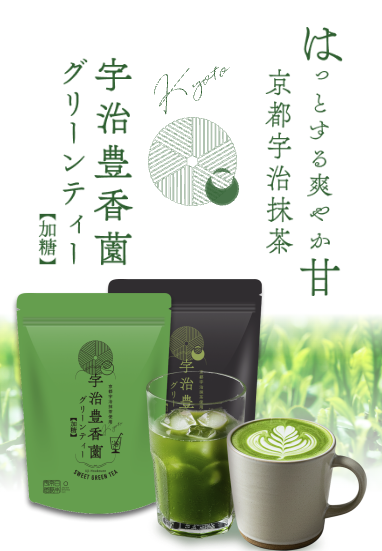
  • Sweetened powdered green tea (served cold): Often available during summer in Japan; made with green tea powder and sugar, simple and refreshing.
  • Matcha-style green tea (domestic or overseas): Closer to matcha in flavor but often made from powdered mixes or syrup for easy preparation.

In other words, “green tea” in cafés doesn’t mean unsweetened green tea. It refers to a sweetened, approachable tea beverage.

2. Green Tea vs. Matcha Latte

CategoryGreen Tea DrinkMatcha Latte
Base IngredientPowdered green tea + sugarMatcha + milk (dairy or soy)
Flavor ProfileSweet and lightRich and creamy
CaffeineGenerally lower (green tea-based)Higher (matcha-based)
Seasonal UseBest in summer, refreshingPopular in fall/winter, satisfying

Matcha lattes are often associated with health, tradition, and aesthetic appeal. They’re Instagram-friendly and popular among tourists. Green tea drinks, in contrast, are more casual and syrup-like, often served cold and enjoyed as a light refreshment.

3. How Green Tea Is Perceived Overseas

In many overseas cafés, especially chains like Starbucks, a “Green Tea Latte” typically means a matcha latte—made with matcha powder, milk, and sugar.

  • In the West, “green tea” often implies matcha.
  • These drinks are marketed as “healthy indulgences” with vibrant colors and creamy textures.
  • “Matcha” is seen as a superfood and a premium ingredient.

This often causes confusion when Japanese-style sweetened green tea is interpreted differently. Some cafés intentionally rename drinks to avoid this.

4. Role and Appeal of Green Tea in Cafés

  • Easy way to add a Japanese twist: Syrup-based green tea can be customized into sodas, floats, or seasonal drinks.
  • Pairs well with sweets: Its gentle bitterness and sweetness complement wagashi and other desserts.
  • Healthy image + refreshment: Seen as a “slightly healthier” summer drink, offering light calories and cooling effects.

Many cafés also create their own signature green tea syrups or blends, enabling more flexibility in seasonal and limited-edition offerings.

5. Naming Inconsistencies and Customer Confusion

Here are some common mismatches in naming:

  • “Green Tea” → Actually a matcha latte (overseas cafés)
  • “Matcha Latte” → Made with non-matcha green tea powder (domestic cafés)
  • “Matcha Drink” → Vague on sweetness, ingredients, or preparation

These mismatches can cause expectation gaps, highlighting the need for clear product descriptions and naming strategies.

Summary

Green tea has carved out a unique space in modern café culture—a sweetened, approachable take on traditional green tea, distinct from the more robust and creamy matcha latte. However, the cultural and linguistic differences between Japan and other countries, along with vague naming conventions, can lead to confusion.

Moving forward, clearer menu labeling and customer education will help bridge this gap. As cafés continue to explore Japanese flavors, green tea will remain a versatile and widely appreciated ingredient—offering both tradition and innovation in every sip.

Uji Hokoen【Official Store】

Premium matcha green tea using
Uji tea leaves from Kyoto

🛒 Official Store
Tea Package

🚚 Free shipping in Japan No registration required!

🇯🇵 Japan only