How Green Tea and Sweetened “Green Tea” Are Classified Abroad: A Cultural and Labeling Guide

How Green Tea and Sweetened “Green Tea” Are Classified Abroad: A Cultural and Labeling Guide

In Japanese, “グリーンティー” (Gurīn Tī) often refers to a sweetened powdered green tea beverage. But when translated into English as “green tea,” the meaning changes significantly. In English-speaking countries, “green tea” is a broad term for unsweetened, traditional green tea, and few people are familiar with Japan’s sweetened green tea drink. This article explains how green tea is categorized and labeled abroad, especially in English-speaking markets.

1. “Green Tea” Means Traditional, Unsweetened Tea

In English-speaking countries, “green tea” is used as a general term that includes:

  • Sencha
  • Gyokuro
  • Matcha
  • Bancha

It refers to tea made from green tea leaves, without indicating whether it’s sweetened, powdered, or loose-leaf. For example:

“I drink green tea every morning.”
→ Typically refers to a bagged or loose-leaf infusion like sencha.

2. Japanese “Green Tea” Doesn’t Translate Directly

In Japan, “green tea” often means a sweetened, powdered, cold beverage, especially in the summer. However, saying “Green Tea” in English does not communicate this concept.

Example:

  • In Japan: “Green tea, please.” → Sweetened powdered green tea
  • Abroad: “Green tea, please.” → Unsweetened hot tea (often in a tea bag)

To convey the Japanese version accurately, you should use terms like:

  • Sweetened Green Tea
  • Green Tea Beverage
  • Green Tea Drink

Without these clarifications, misunderstandings are likely.

3. Clear Separation Between “Green Tea” and “Matcha”

In English-speaking regions, green tea and matcha are treated as distinct categories:

FeatureGreen TeaMatcha
ProcessingSteamed and dried tea leavesStone-ground powder from whole leaves
PreparationSteeped in hot water (infusion)Whisked directly into water
Flavor ProfileLight, slightly bitterRich, umami, and bold bitterness
ImageHealthy, everyday beverageSuperfood, premium wellness drink

Matcha is often marketed as a luxury item with health benefits, and drinks like the “Matcha Latte” are common. Some chains may list “Green Tea Latte” and “Matcha Latte” as separate drinks, adding to the confusion.

4. Variations in Commercial Products

In international markets, “green tea” appears in various product forms:

  • Green Tea (unsweetened tea bags)
  • Sweetened Green Tea (bottled drinks)
  • Iced Green Tea
  • Matcha Drink

Products resembling Japan’s sweetened powdered green tea may be labeled as:

  • Sweetened Green Tea Powder
  • Green Tea Mix

These remain relatively niche products abroad.

5. Tips for Exporting and Labeling

If you plan to export or sell Japanese-style green tea overseas, be mindful of:

  • Avoid using “Green Tea” alone—it may cause consumer confusion
  • Use descriptive names like “Sweetened Green Tea Powder” or “Green Tea Beverage”
  • Leverage the strong brand recognition of “Matcha” by including it in your labeling if applicable

Summary

In the global market, “green tea” refers to a wide category of unsweetened tea, and Japan’s sweetened green tea drinks require additional explanation. Using descriptors like “sweetened,” “powdered,” or “beverage” helps clarify product identity. Also, understand that “matcha” and “green tea” are viewed as entirely separate categories, each with distinct use cases and brand perception. When expanding internationally, adjusting your product names and descriptions to reflect these cultural differences is essential for effective communication.

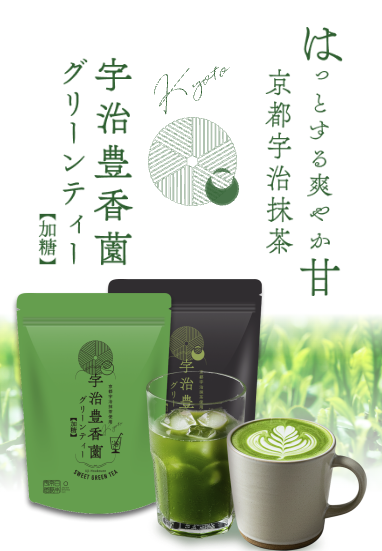
Uji Hokoen【Official Store】

Premium matcha green tea using
Uji tea leaves from Kyoto

🛒 Official Store
Tea Package

🚚 Free shipping in Japan No registration required!

🇯🇵 Japan only