When "Tea" Isn't Made from Tea
The word in a product name does not indicate the plant. Sorting that out answers the caffeine question immediately.
From the tea plant
Sencha, gyokuro, bancha, hojicha, matcha, oolong, black tea.
All from Camellia sinensis. Processing differs; the plant does not. All contain caffeine.
Per 100 ml: black tea 30 mg, sencha 20 mg, hojicha 20 mg, oolong 20 mg, genmaicha 10 mg. Genmaicha is lower because roasted rice replaces part of the leaf.
Not from the tea plant
Barley tea — roasted barley Buckwheat tea — roasted buckwheat Black bean tea — roasted black soybeans Rooibos — a South African shrub Herbal infusions — chamomile, mint, and others
None contain caffeine. They are called tea because the preparation resembles it.
Checking
The ingredient list. Barley, buckwheat, or black soybean means it is not tea leaf.
Product names will not tell you, so if you are avoiding caffeine, read it.
Where matcha sits
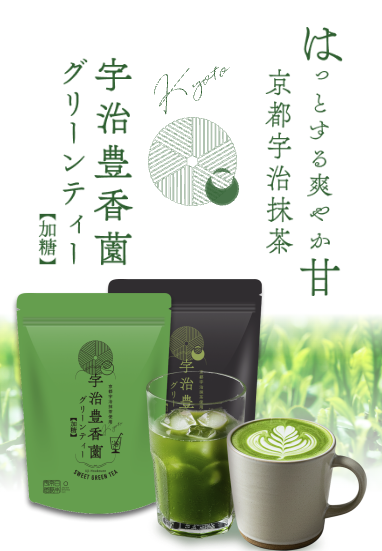
Sweetened matcha uses matcha or powdered green tea, so it is on the tea plant side. Caffeine is present.
The amount depends on the matcha fraction. A sugar-heavy blend delivers less per serving.
Caffeine-free versus decaffeinated
Caffeine-free — never contained any. Barley tea qualifies. Decaffeinated — caffeine removed from a source that had it. Never reaches absolute zero.
Different words, different meanings.
Blending them
Diluting sweetened matcha with barley tea or hojicha works surprisingly well.
Sweetness lightens, a toasted note appears, and total caffeine falls the same way diluting with water would.