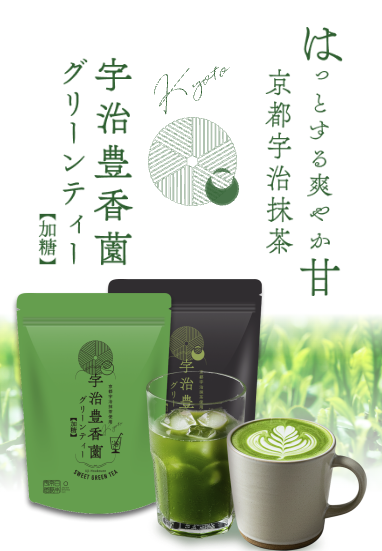
Matcha Latte: The Recipe
18 g powder per 150 ml milk. Less than the 20 g used with water, because dairy contributes body.
The failure is sequencing
Powder added directly to milk clumps and sinks. Milk is more viscous than water and contains fat, so powder disperses through it badly.
Reordering solves it:
- 18 g powder in the cup
- A tablespoon of hot water
- Work into a smooth paste
- Pour in the milk
Hot water dissolves the sugar and separates the matcha particles. The milk goes in after.
Iced
Paste with hot water, thin with a little cold milk, then pour over ice.
Straight onto ice creates a temperature shock that promotes separation. Thinning first keeps it together.
Hot
Warm the milk before adding. Do not boil it.
Stovetop: off the heat just before boiling. Microwave: watch rather than timing it.
Foam
A milk frother aerates while mixing, giving a café texture.
Without one: warm milk in a sealed container, shake. Fill below half — it is hot liquid.
Adjusting
Too sweet at 18 g? Drop to 15 and keep the milk the same. Only the ratio changes.
Want more matcha character? Go to 20 g. Dairy makes stronger mixes easy to drink.
Alternatives to dairy
Soy — lighter, with a bean note. Unsweetened reads less sweet.
Oat — grain sweetness that pairs well with matcha.
Some plant milks separate more readily. Same hot-water paste step, and minimizing the temperature gap before combining helps.
Layering
Milk over ice, then thickly mixed matcha poured slowly against the ice.
Density difference produces the layers. Stirring makes it an ordinary latte. Visual only.