Understanding the Difference Between "Japanese Green Tea" and Sweetened Green Tea Powder

Understanding the Difference Between "Japanese Green Tea" and Sweetened Green Tea Powder

If you browse supermarkets or online stores overseas, you’ll often come across products labeled as "Japanese Green Tea." While the term sounds familiar, it usually refers to something quite different from the sweetened green tea powder ("green tea") commonly enjoyed in Japan. In this article, we’ll break down what “Japanese Green Tea” typically means abroad and how it differs from the Japanese-style sweetened version.


What Is “Japanese Green Tea” Abroad?

In English-speaking countries, “Japanese Green Tea” is used as a broad term that refers to a variety of green teas produced in Japan, such as sencha, gyokuro, and matcha. These are generally:

  • Unsweetened
  • All-natural
  • Consumed as a health drink or everyday tea

Common Characteristics:

  • Form: Loose leaves, teabags, or powdered matcha
  • Ingredients: 100% tea leaves (no additives or sugar)
  • Preparation: Brewed or mixed with hot water
  • Usage: Daily hydration, health benefits, gift items

In short, it aligns more closely with what Japanese people call “ryokucha” (緑茶)—plain green tea without sweeteners.


How Is It Different from Japanese "Green Tea" (Sweetened)?

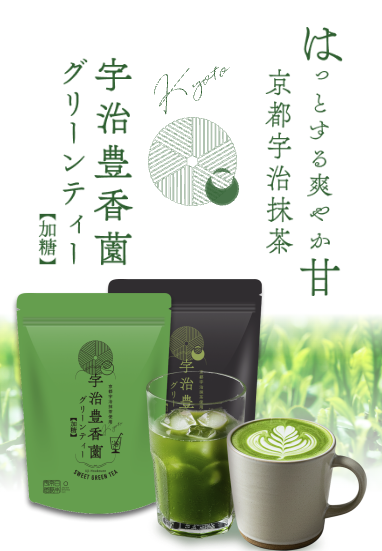
In Japan, the term “Green Tea” (グリーンティー) usually refers to a sweetened powdered drink made with matcha and sugar. It’s a popular summertime drink, often mixed with cold water or milk to create a light, sweet matcha-flavored beverage.

Category“Japanese Green Tea” (Abroad)“Green Tea” (Japan) – Sweetened Powder
Main IngredientTea leaves (sencha, matcha, etc.)Sweetened matcha powder
SweetnessUnsweetenedPre-sweetened
PreparationBrewed or mixed with hot waterMixed with cold water or milk
Common FormatsLoose leaves, teabags, powderPowder in bags or sticks
Use CaseDaily tea, health drinkRefreshing summer drink, desserts

Although they may look similar at a glance, they serve different purposes and target different experiences, which can lead to confusion, especially among those unfamiliar with Japanese tea culture.


Common Misunderstandings Overseas

In English-speaking markets, “green tea,” “Japanese green tea,” and “matcha” are often used interchangeably, causing some misunderstandings:

  • Sweetened matcha drinks are sometimes labeled as "Matcha" or "Green Tea Latte," even though they are far from traditional matcha in flavor and preparation.
  • Consumers may assume that Japanese sweetened green tea powder is the same as ceremonial matcha.
  • In the U.S., you’ll find “Matcha Drinks” that are actually more like milkshakes or sugary beverages, which leads to the impression that “matcha = dessert” and “Japanese green tea = health drink.”

Key Takeaways

  • “Japanese Green Tea” abroad typically refers to unsweetened, traditional Japanese teas, while Japan’s sweetened “green tea” powder is a distinct, flavored product.
  • For businesses considering international expansion, understanding and clearly communicating this distinction is critical.
  • Product labeling, descriptions, and marketing should avoid reinforcing misunderstandings—especially in regions where matcha is trendy but not always well understood.

Uji Hokoen【Official Store】

Premium matcha green tea using
Uji tea leaves from Kyoto

🛒 Official Store
Tea Package

🚚 Free shipping in Japan No registration required!

🇯🇵 Japan only