What Export Packaging Needs to Say
A Japanese-language package sent abroad frequently goes unused.
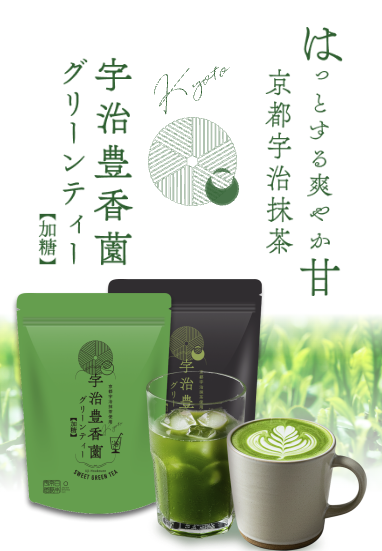
State whether it is sweetened
This is the largest gap.
English green tea denotes the category of unoxidized tea, with no implication of sweetness. Labeled that way, it will be taken as unsweetened leaf.
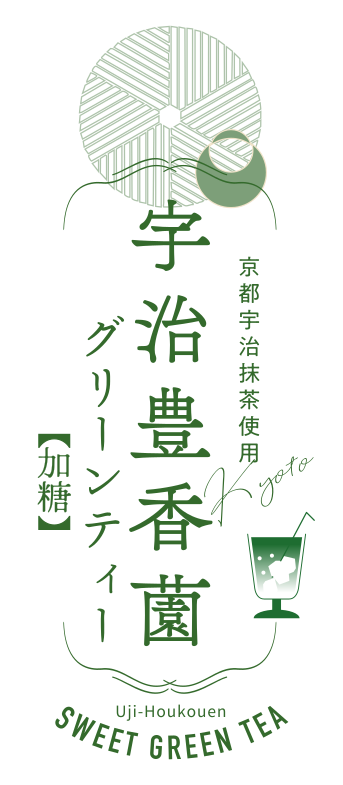
Sweetened or with sugar removes the ambiguity.
Give the preparation ratios
Powder is unusable without instructions.
- 20 g per 150 ml water
- 20 g per 150 ml hot water
- 18 g per 150 ml milk
That much is enough to work without equipment. Noting that a spoon suffices — no chasen required — helps as well.
Explain how to avoid lumps
Adding liquid all at once produces clumps. This failure is universal.
"Mix with a small amount of hot water first" on the package changes the outcome materially.
Allergens and composition
Rules differ by destination — allergen declarations, nutrition information, sweetener identification.
Products containing aspartame typically require a phenylalanine statement.
Note the caffeine
Matcha contains caffeine. Received as if it were an herbal infusion, that creates a false expectation.
Stating that it is present, and that the amount scales with the powder used, lets the drinker decide.
Origin is worth including
Uji and Kyoto function as brand marks internationally.
The roughly fivefold unit price differential for Japanese green tea in the US market relative to Chinese green tea reflects, in part, that brand penetration. If the information is available, use it.
Storage guidance
Sensitive to moisture, light, and heat. Finish soon after opening.
The condensation problem — opening a refrigerated container before it warms — is something people will otherwise do.
Figures reflect statistics as of 2025.