Why Matcha Lattes Took Hold Abroad
Matcha lattes are now standard on café menus internationally. Several factors account for it.
Dairy softens the bitterness
Straight matcha leads with bitterness and astringency, which reads as heavy to anyone unaccustomed to it.
Milk fat wraps the astringency. The structure parallels a caffè latte, which made it easy to attach to an existing category.
It requires no new equipment
Cafés already have espresso machines and milk steamers.
Adding a matcha latte requires powder and something to mix with. Low barrier to entry translates directly into speed of adoption.
The color works
Green drinks are scarce.
On a menu it is visually distinct from everything else. Photographability has been a non-trivial factor in food and beverage over the past decade.
Caffeinated, but not coffee
Matcha contains caffeine, so it functions as a coffee substitute while tasting nothing like one.
That makes it an option for people who do not drink coffee.
Sweet by default abroad
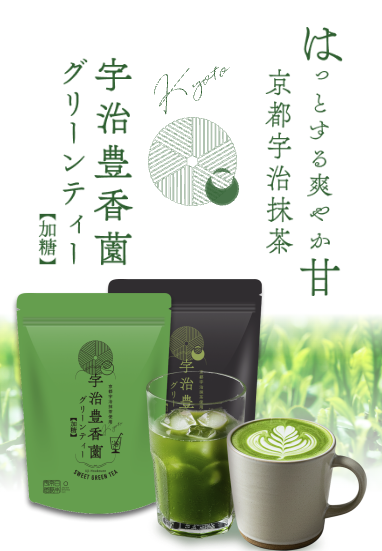
Matcha lattes overseas typically contain sugar. Unsweetened requires asking.
In Japan, matcha means unsweetened and sweetened versions carry separate names. Overseas matcha lattes sit closer to Japanese sweetened matcha than to the ceremonial preparation.
Food applications followed
Beyond drinks: ice cream, cake, chocolate.
MAFF's analysis of export growth points to demand for powdered tea as a food ingredient — lattes and confectionery — as the primary driver.
Making it at home
To reproduce a café version: 18 g per 150 ml milk.
Paste the powder with a small amount of hot water before adding the milk. That single step prevents both separation and lumps.
Figures reflect statistics as of 2025.