Matcha, Tencha, Gyokuro, Sencha: Sorting Out the Names
All from the same plant. What differs is cultivation and processing.
Two decision points
Was sunlight blocked? Covering the field slows the conversion of L-theanine into astringent catechins, preserving umami.
Was the leaf rolled? Rolling ruptures cells so compounds transfer into hot water. Unnecessary if the leaf will be powdered.
Those two choices generate the categories.
| Shaded | Rolled | Consumed as | |
|---|---|---|---|
| Sencha | No | Yes | Infusion |
| Gyokuro | Yes | Yes | Infusion |
| Tencha | Yes | No | Ground |
| Matcha | — | — | Ground tencha |
Individually
Sencha Grown in full sun, steamed, rolled and dried. The most common Japanese green tea, balancing astringency and savor.
Gyokuro Shade-grown, then rolled like sencha. Pronounced umami, brewed at low temperature.
Tencha Shade-grown, steamed, dried without rolling, then stripped of stems and veins. Sold in its own right in some cases.
Matcha Tencha stone-milled into powder. Same material as tencha in a different physical form.
Powdered green tea is separate
Konacha and similar powders are ground sencha or comparable leaf — no shading step.
Visually identical to matcha as a green powder. Different raw material, different price, different flavor. Ingredient lists distinguish "matcha" from "green tea".
Hojicha and genmaicha
Hojicha is sencha or bancha roasted heavily, producing a toasted aroma.
Genmaicha is sencha or bancha combined with roasted rice.
Both come from the tea plant, so both contain caffeine.
Where sweetened powder sits
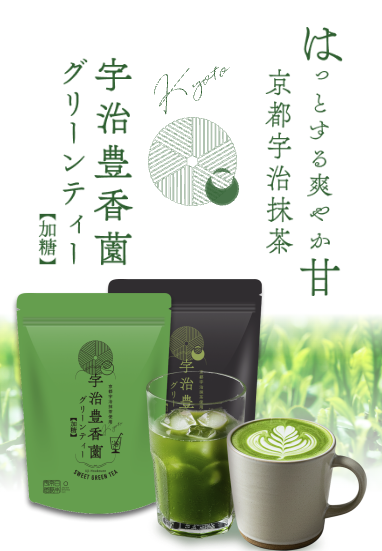
Products marketed as sweetened green tea or matcha are secondary products, built on either matcha or powdered green tea with sugar added.