Matcha in Confectionery
Matcha is not only a drink. Its history as a confectionery ingredient is long.
Bitterness against sweetness
Pairing matcha with wagashi in the tea ceremony works on that opposition — a sweet confection eaten before strong matcha.
That relationship is where matcha confectionery starts.
Cold sweets
Summer sweet shops build around matcha ice and matcha-flavored bean paste.
Sweetened matcha mixed thick works directly as shaved ice syrup, with no additional sugar.
Into Western confectionery
Matcha in Western-style baking is now unremarkable.
Dairy softens the bitterness. Cream, butter, chocolate — fat wraps astringency, which is why those combinations work.
Baking grade is a separate product
Confectionery matcha is formulated for heat stability and color development. It can taste bitter consumed straight.
Conversely, drinking-grade matcha used in baked goods loses aroma and shifts color under heat. Matcha's green comes from chlorophyll, which is heat-sensitive.
Spending more does not necessarily produce a better result — the grade has to match the use.
Preserving color under heat
Where green matters, shorten the heating or add the matcha after removing from heat.
With kanten: dissolve the agar first, take the pan off the heat, then stir in the matcha. That order keeps the color.
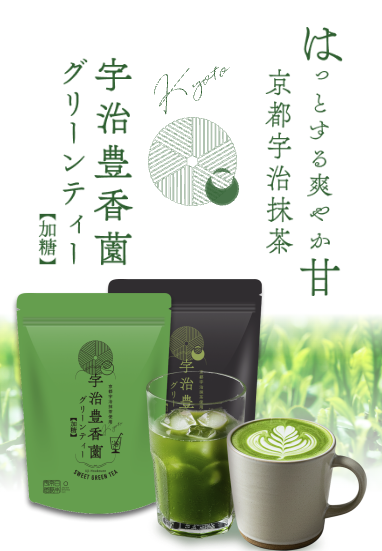
Using sweetened powder
It already contains sugar, so the recipe needs adjusting.
That also makes it convenient. Stirred into yogurt, set into a milk jelly, poured over ice cream — treated as a sweet liquid, no sugar calculation is required.
The universal rule
Dry powder added directly leaves specks that will not mix out.
Dissolve in a small amount of liquid first. Same step as making the drink.