How Japanese Tea Drinking Has Changed
The teapot habit has shifted form over time.
Loose leaf as default
Buying leaf and brewing it in a teapot was standard.
Tea for guests, tea after meals. A caddy, a teapot, cups — part of the kitchen inventory.
Teabags
Dropping tea directly into a cup removed most of the effort.
No teapot to wash, no leaves to dispose of. It also suited making a single serving.
Bottled tea
From the 1990s, bottled tea spread widely.
Nothing to brew, portable, cold on demand. Tea moved from something you make to something you buy.
Powder took a different route
Powdered tea sits slightly outside that progression.
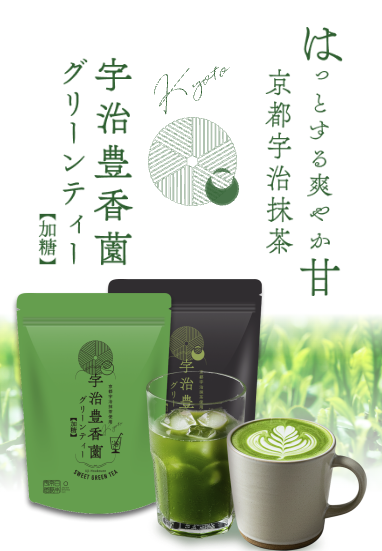
Matcha is not steeped — ground leaf is mixed into liquid. There is no brewing step to eliminate, so its convenience has a different basis.
Sweetened matcha appeared in vacuum cans in 1930 and spread from the mid-1950s, well ahead of bottled tea.
Adjustability as a distinguishing feature
Bottled tea is fixed at opening. Teabags allow some control through steeping time.
Powder lets you set the amount. If the standard is 20 g per 150 ml, using 10 g halves it. No other format offers that.
Teapots declined; tea did not
Households without a teapot have become common. That is not the same as households that stopped drinking tea.
Formats changed and options multiplied — a more accurate description than decline.
Where matcha ended up
Matcha spread beyond the context of the tea ceremony.
As a latte, as a confectionery ingredient, as a sweetened powder. Additional preparations meant it persisted through routes separate from loose-leaf brewing.