Regional Differences in What "Green Tea" Means
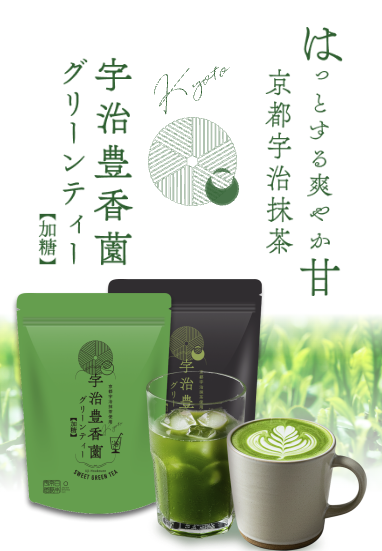
In Kansai, the term usually indicates a cold sweetened matcha drink. Elsewhere in Japan, not necessarily.
How Kansai got there
From the mid-1950s through the 1970s, sweet shops and tea retailers in Kyoto and Osaka took up the drink actively. In 1962 a green tea stand opened in the Hankyu department store basement in Umeda.
Two conditions overlapped: proximity to Uji, with tea supply relationships already in place, and demanding summers that created a market for cold drinks.
It became a summer fixture, and the terminology settled.
Elsewhere
The usage is weaker outside the region.
Plenty of people hear green tea and picture unsweetened tea generally, without the sweet-drink association.
English is a third layer
English green tea covers all unoxidized tea, unrelated to sweetness.
So Japanese usage is the more specialized case, and Kansai usage is a further specialization within that — a nested structure.
Regional tea preferences generally
Variation is not limited to this term.
Shizuoka and Kyushu favor deep-steamed sencha. Kyoto's culture centers on gyokuro and matcha. Hokuriku has a tradition of roasted stem tea.
Proximity to production areas, and the drinking styles that developed around them.
When ordering
What arrives depends on the establishment.
The reliable move is asking whether it contains sugar. Matcha on a menu does not settle the sweetness question either, so this works anywhere.
Naming is becoming more specific
Products increasingly carry clearer names — sweetened matcha, matcha milk, Uji green tea.
As the general term lost precision, labeling moved toward explanation.