
Caffeine in Matcha: How the Amount Is Actually Determined
Tea leaves contain caffeine — roughly 2 to 4 percent of dry weight. But how much ends up in your cup depends on something most people overlook.
Steeping versus dissolving
With sencha or black tea, you steep leaves and discard them. Caffeine moves into the water, but not all of it, and how much depends on water temperature and steeping time. Two cups from the same leaf can differ noticeably.
Matcha works differently. You grind the leaf and mix the powder into water. Whatever caffeine is in that leaf goes into the cup. Temperature and technique do not change it.
That makes the math unusually simple: the amount tracks the amount of powder, and nothing else.
Reference figures
Japan's Food Safety Commission and national composition tables give these values per 100 ml of brewed liquid:
| Drink | Caffeine per 100 ml |
|---|---|
| Coffee | 60 mg |
| Black tea | 30 mg |
| Sencha | 20 mg |
| Hojicha | 20 mg |
| Oolong | 20 mg |
| Genmaicha | 10 mg |
Matcha is quoted differently — around 48 mg for 1.5 g of matcha in 70 ml of water — because it is measured per serving rather than per volume. That difference reflects the point above.
Sweetened products depend on the blend
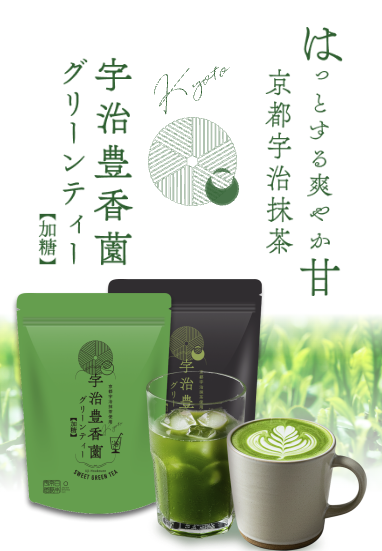
In sweetened matcha, only part of the powder is matcha. The rest is sugar, which contributes no caffeine.
So a 20 g serving of a sugar-heavy product contains less caffeine than 20 g of a matcha-heavy one. Ingredient lists run in order of weight, so "matcha, sugar" versus "sugar, matcha" gives you a rough sense.
The dial you actually have
Halve the powder and you halve the caffeine. There is no equivalent move with a canned or bottled drink.
The trade-off is that flavor drops proportionally. Two ways to compensate:
- Reduce the water as well, keeping the ratio but making a smaller cup
- Use milk, which adds body so a weaker mix still feels substantial
When to pay attention
Sensitivity varies. Small children, anyone pregnant or nursing, and people who find caffeine disrupts their sleep may want to keep an eye on the amount.
Because concentration is adjustable, one bag can serve a household at different strengths. If you have specific concerns about intake, a doctor or pharmacist can give you a figure to work with.