When Matcha Works as a Gift, and When It Doesn't
Several properties support it, and a few situations argue against.
In favour
It gets consumed Nothing remains afterward. No demands on the recipient's storage or taste in objects.
It keeps Light, ships at room temperature. Sweetened versions have the additional property that sugar binds free water, slowing deterioration.
Preferences rarely clash Coffee and black tea divide people. Plain matcha can overwhelm someone unfamiliar with it.
Sweetened matcha is approachable and works with water or milk, widening the range of acceptable outcomes.
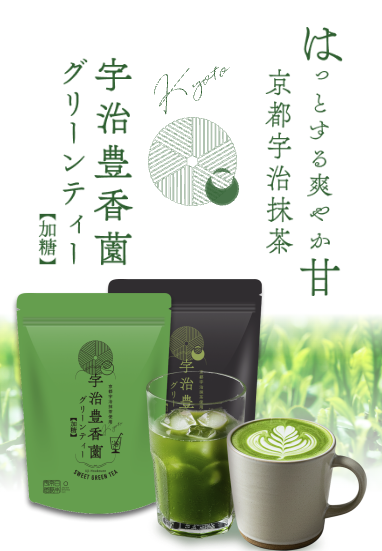
It reads as Japanese Matcha is internationally recognised, which makes it communicative as a gift from Japan.
Against
Recipients limiting caffeine Matcha means caffeine. Anyone pregnant or under medical advice warrants a check first.
Recipients limiting sugar Sweetened products are largely sugar by weight — about 60 kcal for a 20 g serving with 15 g of sugar.
Recipients who do not drink it No equipment is needed, but preparation still is. Packages go unopened.
Duplication Tea is a standard gift, so overlap happens.
What closes the gap
Including preparation ratios raises the odds it gets used. 20 g per 150 ml water, 18 g per 150 ml milk.
Mentioning that strength is adjustable also helps anyone concerned about sweetness.
What to look at
Ingredient lists run by weight, so the order indicates the matcha-to-sugar balance.
Origin, where stated, adds information — Uji is the historic centre of tencha production.
Size should match how often the recipient is likely to drink it. At 20 g per serving, 300 g is 15 cups.