Green Tea vs. Sweetened Matcha: Clearing Up the Confusion
The confusion comes from one phrase carrying two meanings.
English usage
Green tea is a general category: any tea from the tea plant that has not been oxidized. Sencha, gyokuro, bancha, hojicha, matcha — all of it. Sweetness is not part of the definition.
Japanese retail usage
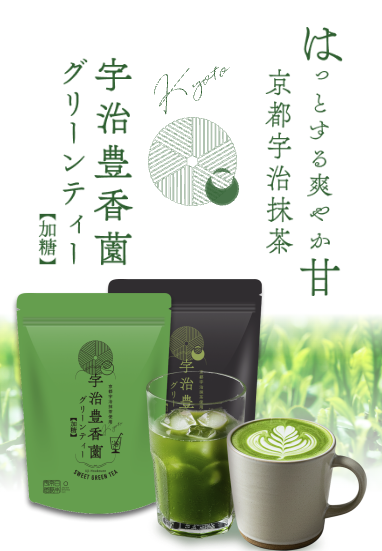
In Japan, the katakana term often refers specifically to a sweetened powdered drink made from matcha or powdered green tea. Cafés have used the same name for a cold sweet matcha beverage for decades.
So when someone says "green tea," one listener pictures a category of unsweetened tea and another pictures a sweet powder. Both are using the term correctly within their own context.
The processing difference
Brewed tea like sencha Leaves steep in water; you drink the liquid and discard the leaves. Only soluble compounds reach you.
Matcha-based powder The leaf is stone-milled and mixed into water. You consume the leaf itself.
This has real consequences. Water temperature changes what gets extracted from steeped tea, but with matcha nothing is being extracted — so temperature does not shift the composition of the cup.
Flavor profiles
- Sencha: astringent and savory, unsweetened
- Matcha: concentrated bitterness, astringency, and umami, unsweetened
- Sweetened matcha: sweetness first, tea character behind it
Checking a specific product
The ingredient list settles it. Sugar present means a sweetened product; only tea or matcha means unsweetened.
Since lists run in order of weight, the sequence also indicates whether matcha or sugar dominates. Product names guarantee nothing.